
Products
AVRA
Point of Contact
Chris Wacek
571.260.0828
Cwacek@dcscorp.com
AVRA delivers proven government‑grade debris risk analysis, enabling operators to meet RCC‑321 and FAA Part 450 requirements with trusted, mission‑ready safety tools.
Download data sheet




Advantages
Trusted Debris Risk Analysis for Space Operators
Government‑grade debris and risk modeling powered by the same engines as RRAT and TTK engines.
Enables compliance with RCC‑321 and FAA Part 450 regulatory requirements.
Scalable compute architecture supporting clusters or cloud environments for high‑volume
Monte‑Carlo analysis.
Integrated support offerings enabling onboarding, configuration assistance, and mission‑specific analysis setup.

Product snapshot
AVRA is a commercially available suite of tools which provide launch and re-entry risk analysis capabilities, supporting analysis against RCC-321 and FAA Part 450 regulations, and powered by the same computation engines used to ensure safety at government ranges for decades in Range Risk Analysis Tool (RRAT) and Trajectory Toolkit (TTK).
Available on GSA Advantage for government customers, the AVRA suite enables new space companies to perform analysis against RCC-321 and FAA Part 450 regulations in house. For complex operations, or those just getting started, ARCTOS, a DCS company, offers Launch Safety Licensing Services to ensure a smooth pathway to flight regardless of the mission. In 2026, the Federal Aviation Administration issued ARCTOS a Safety Element Approval for a debris analysis methodology that satisfies the requirements of 14 CFR § 450.121(d)(2)-(3), which means we can provide reports and data for operators that meet their vehicle operator license requirements.
Frequently Asked Questions
DCS/ARCTOS offers structured onboarding through the AVRA Support Offerings, including a virtual VRA Training Workshop and an Advanced Support Package that provides hands‑on configuration assistance for mission‑specific analysis needs. These services help operators validate their setups, shorten learning curves, and ensure the software is optimized for high‑fidelity risk assessments. This guided support reduces onboarding risk and accelerates the time it takes new users to produce regulatory‑grade analysis results.
AVRA supports scalable compute architectures, including Linux‑based clusters and AWS GovCloud, enabling users to run intensive Monte‑Carlo trajectories, debris propagation models, and population‑risk calculations. For organizations requiring controlled on‑prem environments, ARCTOS also offers certified hardware options to meet diverse security and performance needs. This flexibility helps customers scale seamlessly from early concept studies to full‑mission licensing analysis without changing workflows.
AVRA includes modules for debris propagation, population‑risk estimation, failure‑mode simulation, and structural‑limit trapping, allowing users to conduct detailed safety studies using trusted computation engines. These advanced capabilities help organizations proactively identify mission hazards and validate mitigations before submitting licensing packages.
Yes. AVRA offers optional modules such as Maximum Probable Loss, Ship Risk, and Aircraft Risk, enabling tailored assessments for maritime operations, aviation exposures, and high‑consequence events. These add‑ons expand AVRA’s usefulness for missions with unique operational contexts, helping teams meet customized stakeholder or regulatory requirements.
AVRA’s analyst interface runs on 64‑bit Windows systems, while high‑capacity computation can be performed on Linux clusters or through AWS GovCloud.
This cross‑environment compatibility enables teams to integrate AVRA into existing IT infrastructures without disruptive system changes.
Yes. In addition to structured training, DCS/ARCTOS provides advanced support services including configuration validation and mission‑specific setup assistance to ensure safety‑critical analyses are performed correctly. This expert guidance helps reduce the likelihood of analysis errors that could delay licensing approvals or increase mission risk.
Explore more products

CROW
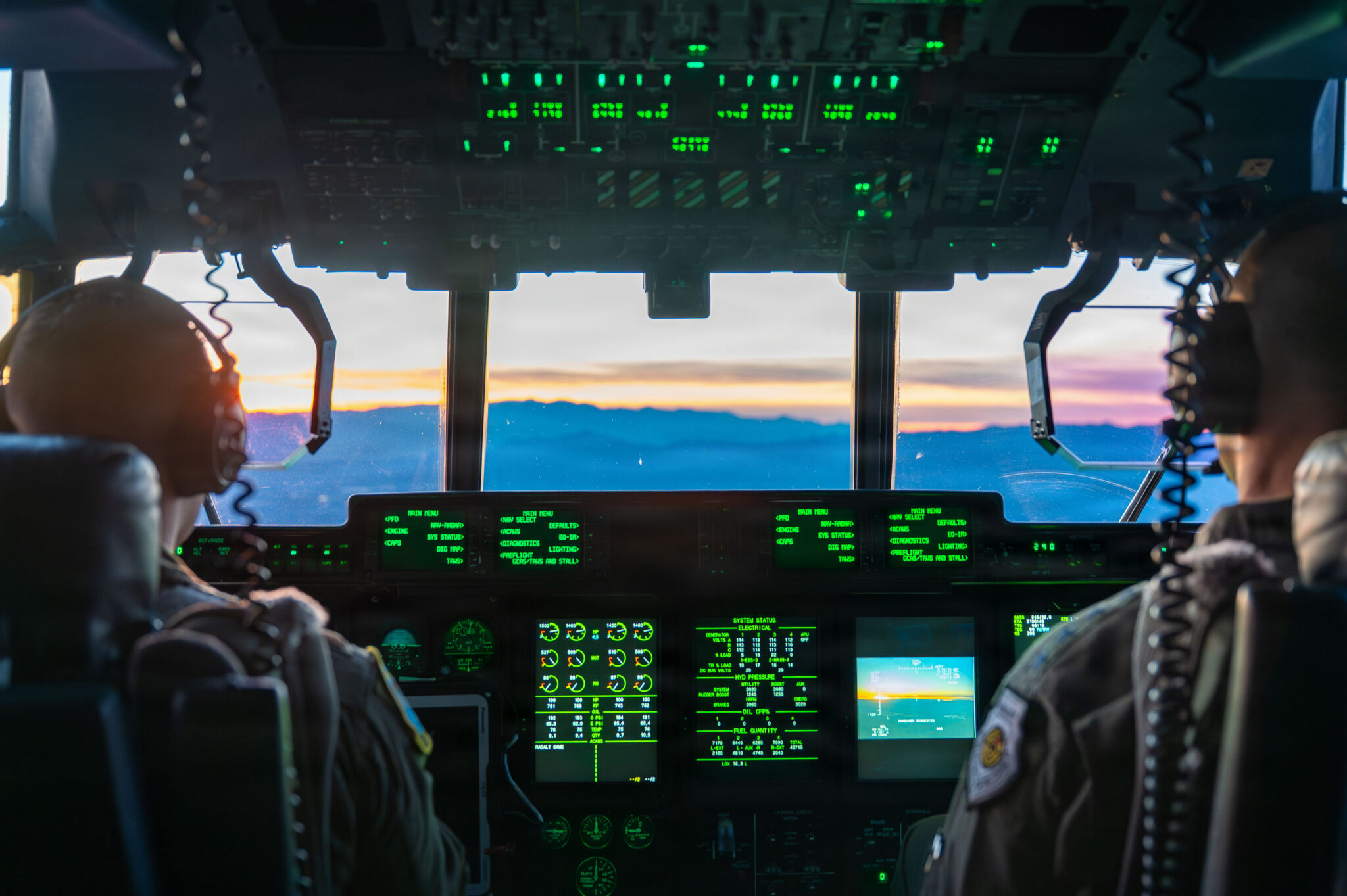
CROW provides fast, deployable electronic warfare with accelerated signal processing, machine‑learning insights, and agile mission support.
MORE INFORMATIONARVA
Lorem ipsum dolor sit amet, consectetur adipiscing elit, sed do eiusmod tempor incididunt ut labore et dolore magna aliqua. Ut enim ad minim veniam, quis.
MORE INFORMATIONGET IN TOUCH
WE TAKE IT ON

When the mission demands a partner who understands the platform, the pace, and the responsibility—DCS is ready, and more often than not, we are already there. Connect with our team to discuss your challenges, explore partnering opportunities, or learn how DCS delivers trusted solutions. Reach out today and let’s take it on together.
START A CONVERSATION